Great Content If You Can Find It
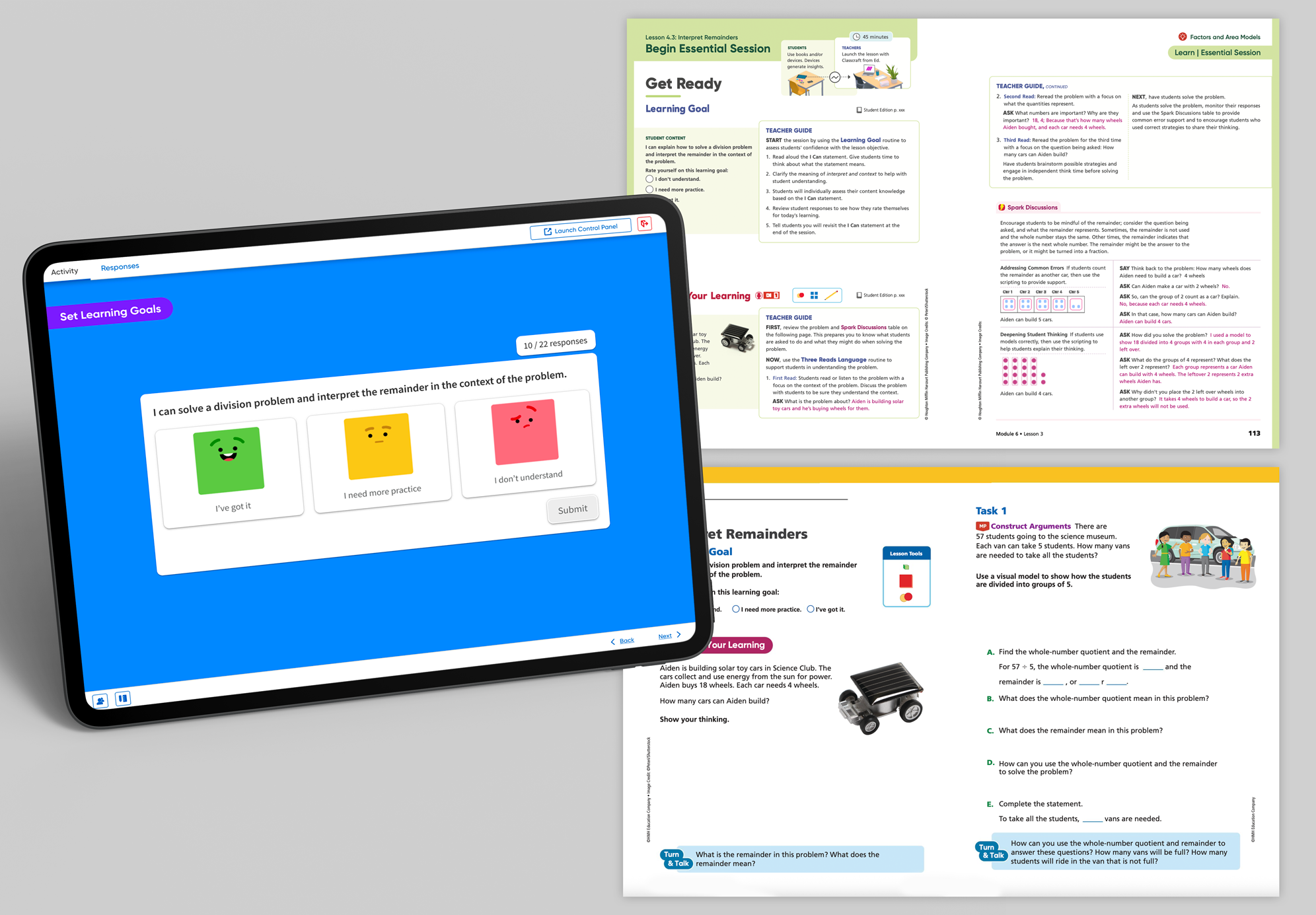
The education market is unforgiving. When student outcomes are on the line a bad year can lead to a tanked reputation and negative net promoter scores. Unfortunately, Into Math had a bit of a reputation problem. Teachers trusted our curriculum expertise but were frustrated with the experience of using our product. The main content was dense and unengaging. Critical instructional supports were buried in our system, difficult to find. Fortunately that made for a pretty clear design brief: reduce cognitive load for teachers and students alike, create pathways so that teachers could easily navigate the material, and do it all without gutting the pedagogical rigor that made the product worth saving in the first place.
Where Print Meets Digital
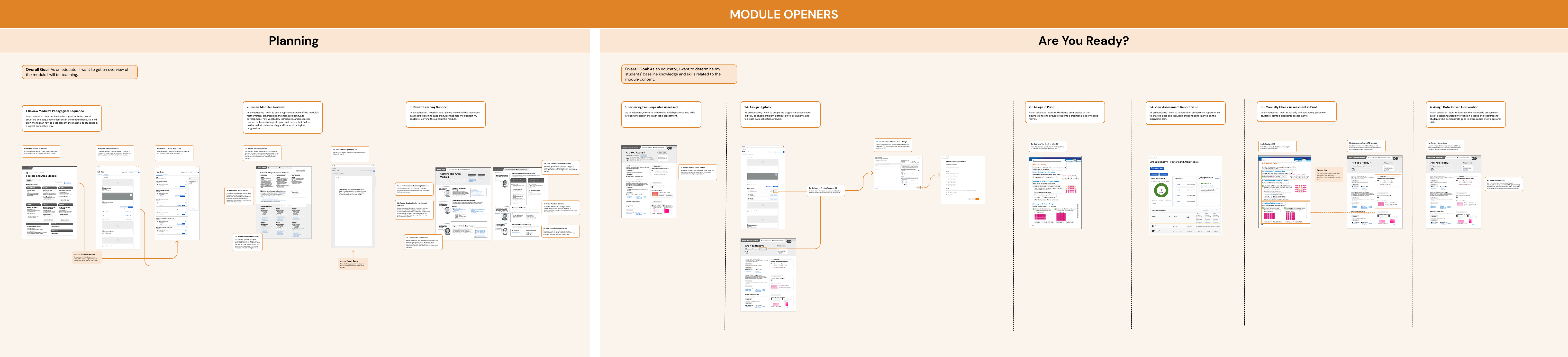
This project landed in the middle of a larger organizational shift as HMH was repositioning from a generalist publishing company to an adaptive learning, digital-first company. Traditionally, our print and digital products were developed in silos - first a print waterfall, then digital would hurry to catch up. Naturally there would be tradeoffs in such a model. With this project we wanted to focus on a cohesive, singular experience that felt the same no matter the users’ entry point. To that end we started with an end-to-end journey map, chronicling the day to day of students and teachers alike, shaping a new understanding of our product landscape and information architecture.
Building the Plane While Flying It
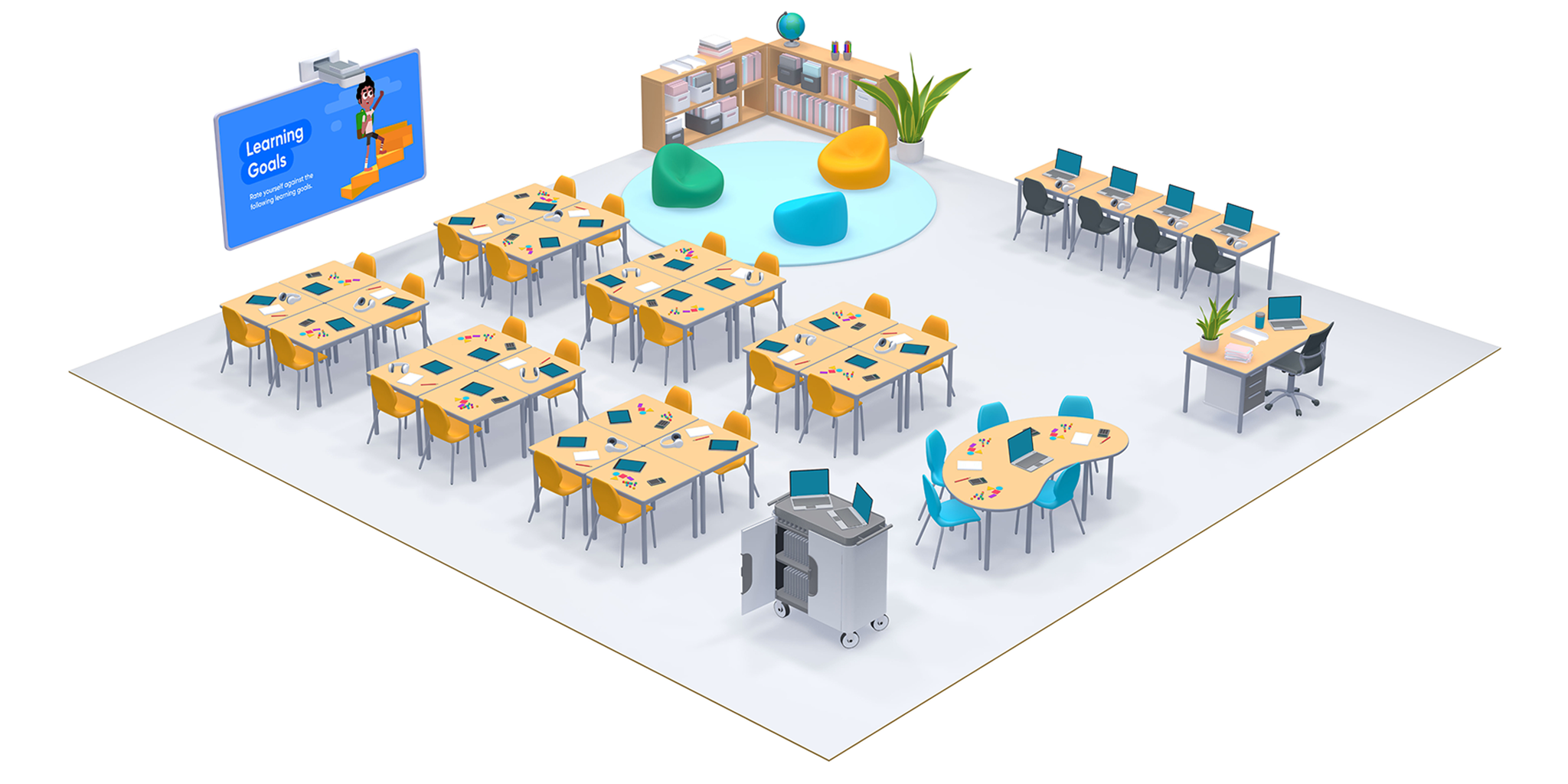
Of course this process is far easier when you aren’t building an entirely new digital platform at the same time. The emergence of our new online experience, Classcraft, changed not only how we developed our digital content but how we thought about the structure of curriculum itself. It emphasized repeatable, modular patterns with clear information hierarchy; routines that teachers could expect and rely on throughout the school year.
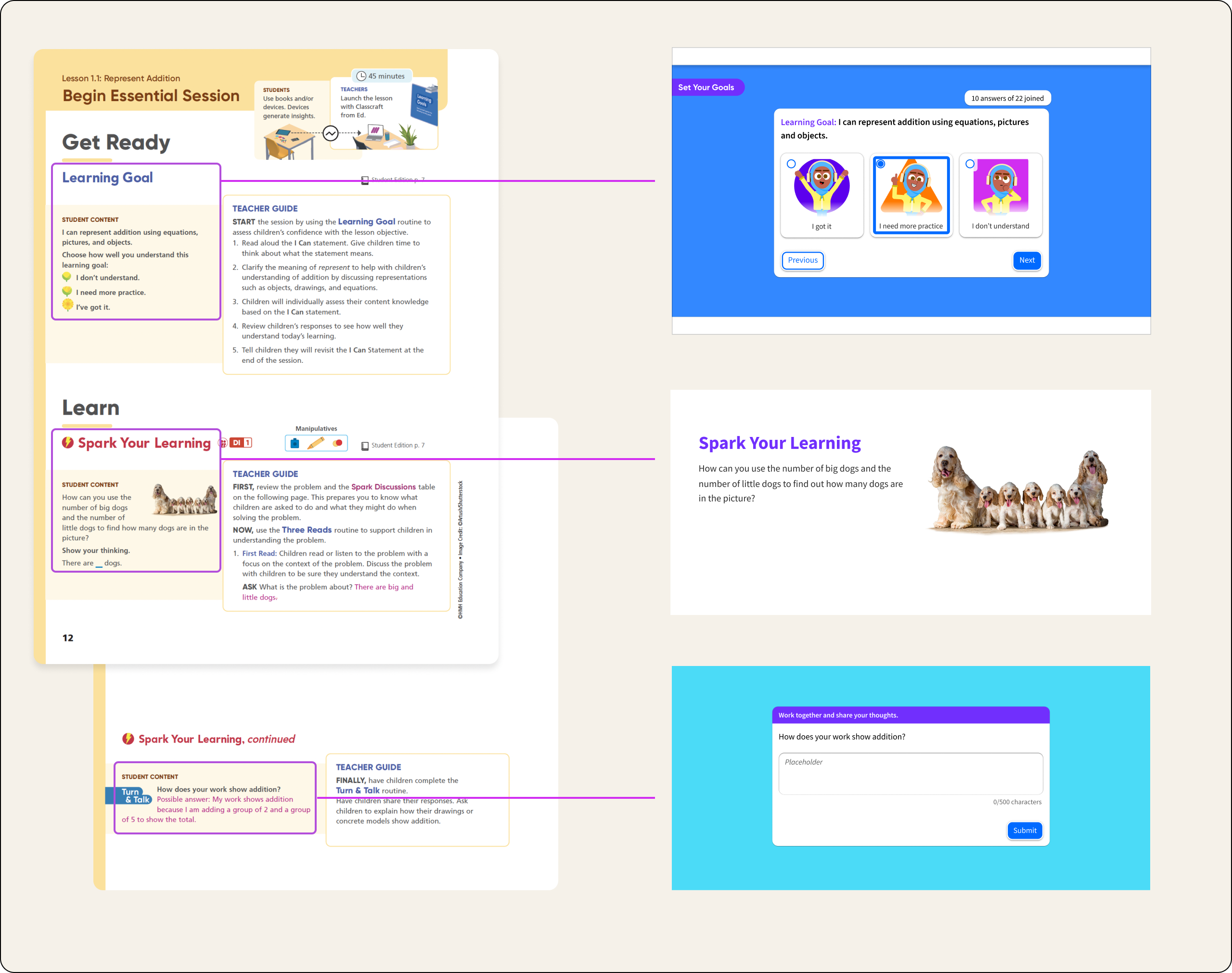
Print and digital as mediums have unique pros and cons, so creating 1-to-1 parity can be a challenge, but by grounding ourselves in the whole-class end-to-end journey we were able to create a unified program experience regardless whether they were opening a book or a browser window. Further, by chunking content, we were able to create an easy to follow gameplan for our teachers that guided them through sessions. New teachers could literally just follow a script, but seasoned vets could pick and choose which routines they wanted. The same rigorous content was still there, now presented in digestible segments, easy to navigate, easy to parse, and easy to customize.

Results You Can Count (On)
The v2 experience shipped on schedule, despite all the pivots and twists we encountered along the way, hitting its adoption targets in year one. Feedback from teachers shifted as well, from conversations about where and how to find things to how much easier and friendlier it was to use. Furthermore, as one of the inaugural Classcraft products, it boosted user confidence in an entirely separate product offering, creating sales growth beyond the product-line we were delivering.